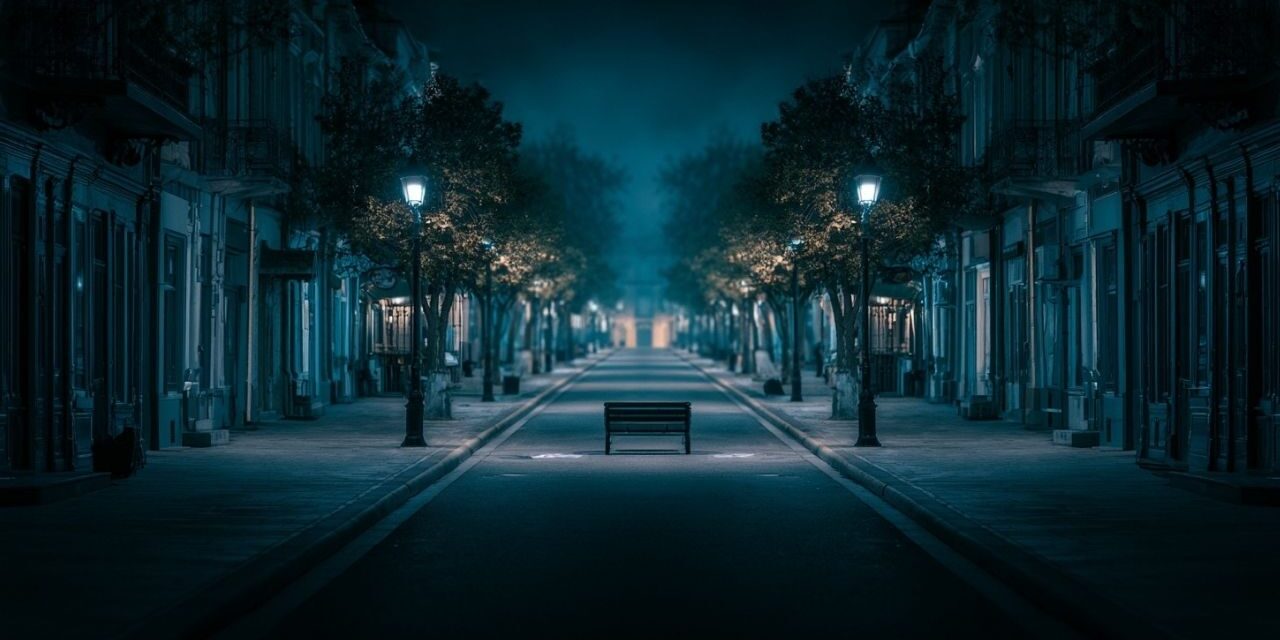
A city does not need to change its buildings to become a different place.
Sometimes it only needs darkness.
The shops close.
Windows go black one by one.
The traffic becomes quieter.
Rain turns familiar streets into reflections.
A station that felt ordinary at four in the afternoon suddenly feels much larger at midnight.
Nothing supernatural has happened.
And yet something has changed.
I keep returning to that moment.
In photography.
In fiction.
In music.
In the worlds I build.
I have started to wonder why.
The City Changes After Everyone Goes Home
During the day, cities explain themselves.
There are people going somewhere.
Doors opening.
Cars moving.
Shops selling things.
Offices doing whatever happens behind office windows.
Everything has a function.
Night removes some of those explanations.
A building remains, but you no longer know what is happening inside it.
An empty platform has a destination displayed on a screen, but nobody is waiting for the train.
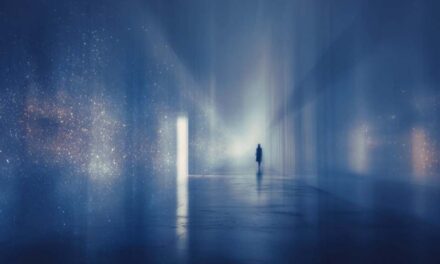
A corridor remains illuminated even though every door is closed.
One apartment window is still glowing twenty floors above the street.
During the day, these things barely register.
At night, they become questions.
I think this is one reason cities after dark keep finding their way into my work.
The city has not become empty.
It has become incomplete.
And imagination is very good at entering incomplete spaces.
Empty Places Create Questions
I have always been interested in what is missing from a scene.
An abandoned chair.
A door left open.
A train platform without passengers.
A light burning in a building that appears deserted.
These are small things.
But small absences can create surprisingly large stories.
If a corridor is empty, you begin wondering who was there.
If a room has been abandoned, you wonder why.
If an elevator arrives with nobody inside, that usually means nothing.
But wait long enough in the wrong building and even something ordinary can begin to feel strange.
The imagination does not always need more information.
Sometimes it needs less.
That principle has become important in the way I approach worldbuilding.
I do not want every place to explain itself.
I want some rooms to remain locked.
Some histories should be incomplete.
Some streets should continue beyond the part of the map we can see.
The unanswered part gives the world depth.
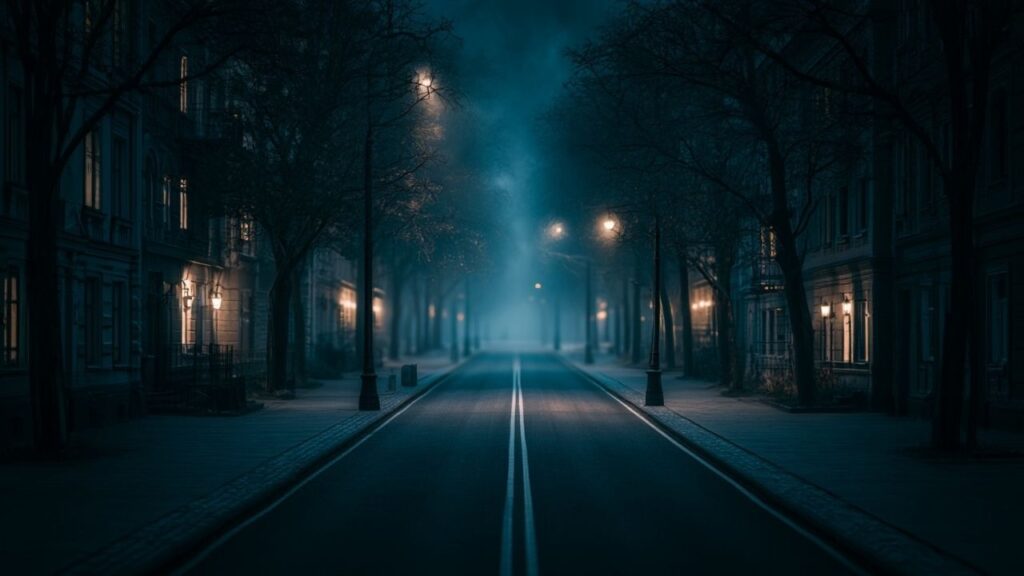
Photography Taught Me to Notice the In-Between
Long before I thought seriously about worldbuilding, photography taught me to look at places differently.
Photography is partly the act of choosing what matters inside a frame.
But it also teaches you to notice what other people walk past.
Light on concrete.
A reflection in wet pavement.
Someone standing alone beneath artificial light.
The geometry of an empty parking garage.
A window that looks warmer than everything surrounding it.
And especially that strange period when daylight has disappeared but the night has not completely settled.
Photography gave me an appreciation for ordinary places becoming temporarily unfamiliar.
Nothing has been invented.
The photographer simply arrived at a different moment.
That idea stayed with me when I started writing fiction.
I realised I did not necessarily need to create enormous fantasy landscapes.
An ordinary building could be enough.
I only had to change one thing.
One floor that should not exist.
One photograph that remembers something differently.
One doorway where no doorway appears on the plans.
Reality does most of the work.
You only need to disturb it slightly.
Meridian City Grew From That Feeling
Meridian City did not begin for me as a giant map filled with districts, histories and elaborate mythology.
It began more as a feeling.
A city you recognise.
And then do not.
The important places are often ordinary.
Apartment buildings.
Churches.
Offices.
Hospitals.
Elevators.
Archives.
Underground spaces.
Places built for practical reasons.
I like them precisely because they are familiar.
If I showed you an ancient castle filled with ghosts, you would probably expect something strange to happen.
But what about the building where you work?
The apartment above yours?
The elevator you use every morning?
The hallway outside your hotel room?
For me, the interesting question is not:
What would a supernatural world look like?
It is:
How little would reality need to change before you stopped trusting it?
That question sits somewhere underneath much of Meridian City.
The city does not need to announce that something is wrong.
It merely lets you notice.
Night Gives the City Another Layer
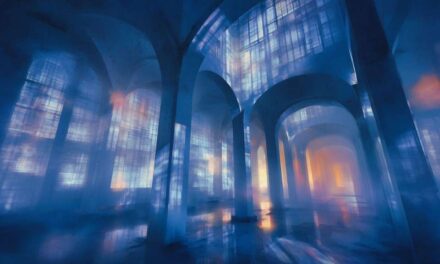
Night helps because darkness removes information.
During the day, you can see where the street ends.
At night, perhaps you cannot.
During the day, an office tower is glass and steel.
At night, it becomes a black surface filled with isolated rectangles of light.
During the day, an alley is simply a route between two streets.
At night, it becomes somewhere you might choose not to enter.
We often associate darkness with fear, but I think there is something more interesting happening.
Darkness gives imagination more responsibility.
You have to complete what you cannot see.
That makes a city feel larger.
Not physically larger.
Possibly larger.
There may be another room.
Another level.
Another person behind the window.
Another train after the final scheduled departure.
Another version of the city operating beneath the visible one.
That possibility interests me more than the monster waiting around the corner.
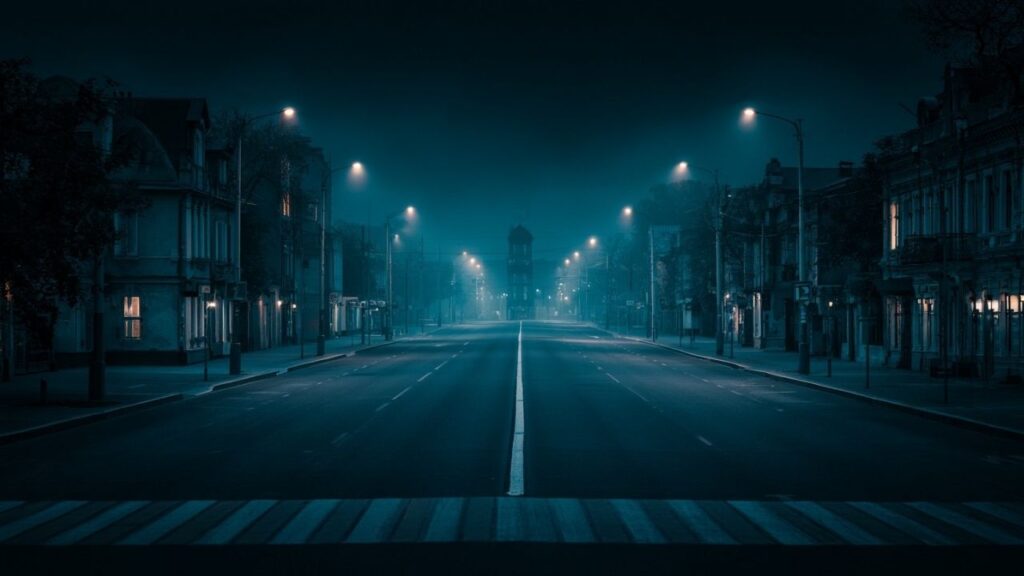
Rain Changes Everything Again
Rain appears frequently in the things I create.
This is hardly unusual.
Cinema has been using wet streets for decades because they look beautiful.
Cyberpunk practically adopted rain as part of its architecture.
But for me, rain does something beyond atmosphere.
It softens certainty.
Lights become reflections.
Buildings lose their edges.
Windows become harder to see through.
Sounds change.
People move differently.
A familiar street becomes visually unstable.
For a few minutes, the city appears to contain two cities.
The physical one.
And the reflected one beneath your feet.
Perhaps that is why rain works so naturally with liminal imagery.
It creates a world that looks almost like the one you know.
Almost.
That small distance is where I like to work.
The Same City Appears in My Music
I notice the same places appearing when I compose.
Stations after midnight.
Apartments above sleeping streets.
Abandoned networks.
Machines continuing their work without anyone watching them.
Rain against windows.
Distant announcements.
Electrical hum.
Signals.
Memory.
I do not always consciously decide to return to these things.
They simply appear.
A sound suggests a corridor.
A drone suggests a large empty room.
A damaged texture begins to feel like an old transmission.
A piano note sounds as though it is travelling through a building rather than through speakers.
Then a location starts forming.
This became especially clear while working on Neon Ghost Frequencies.
The project contains technology and cyberpunk imagery, but I am less interested in futuristic gadgets than in what those technologies leave behind.
Old systems.
Stored memories.
Abandoned networks.
Digital spaces that continue functioning after their original purpose has disappeared.
It is another kind of empty city.
Only this one is built from information.
Cyberpunk Is Most Interesting After the Crowd Leaves
One reason cyberpunk continues to fascinate me is that its cities are usually overwhelmed by information.
Advertisements.
Screens.
Networks.
Corporations.
Machines.
People.
Signals.
Everything competing for attention.
But I often find the quieter version more interesting.
What happens at 3:17 in the morning?
When the stores are closed.
When the advertisements are still running but nobody is watching.
When an automated announcement repeats for an almost empty station.
When a building filled with servers continues processing information while the surrounding city sleeps.
Technology becomes stranger when nobody appears to be using it.
It starts to feel independent.
The machine is still doing something.
You just no longer know who it is doing it for.
That small question can become a track.
Or a story.
Or an entire world.
Liminal Spaces Give You Half a Story
The word liminal is used frequently now.
Sometimes so frequently that it risks becoming another visual style.
Empty hotel corridors.
Parking structures.
Pools.
Airports.
Waiting rooms.
But what interests me about liminal spaces is not simply emptiness.
It is transition.
You are supposed to move through these places.
A station is somewhere between departure and arrival.
A corridor exists between rooms.
A hotel exists between home and destination.
An elevator exists between floors.
These places are not usually the point.
They are the space before the point.
That gives them a strange narrative quality.
Something has already happened.
Or something is about to.
You arrive in the middle.
A liminal image therefore gives you half a story.
Your mind creates the rest.
That is very close to how I want some of my fiction and music to work.
I Do Not Want to Explain Everything
Worldbuilding can easily become an exercise in explanation.
Maps.
Timelines.
Rules.
Histories.
Genealogies.
Every question answered.
I understand the attraction.
It can be satisfying to know exactly how a fictional universe functions.
But I also think worlds can become smaller when everything is explained.
Real cities do not work that way.
You can live somewhere for twenty years and still discover a street you have never walked down.
You can pass a building every morning without knowing what happens on the fourth floor.
You can know the official history of a place without knowing the stories of the people who lived there.
Cities contain knowledge unevenly.
I want fictional cities to retain some of that uncertainty.
Meridian City should always contain places I have not explained.
Perhaps even to myself.
Otherwise there is nowhere left to explore.
Maybe I Keep Building the Same City
Sometimes I look across the different things I create and notice recurring images.
Rain.
High-rise windows.
Empty corridors.
Stations.
Neon reflected in water.
Old photographs.
Machines.
Faint signals.
Rooms waiting behind closed doors.
These things appear in separate stories and separate pieces of music.
But perhaps they are not entirely separate.
Maybe I keep returning to different versions of the same imagined city.
Meridian City exists most clearly in fiction.
Neon Ghost Frequencies occupies a more technological and cyberpunk space.
My photography begins in the real world.
Yet somewhere beneath them, I recognise the same attraction.
The place after the obvious story has ended.
The building after everyone has left.
The system still running.
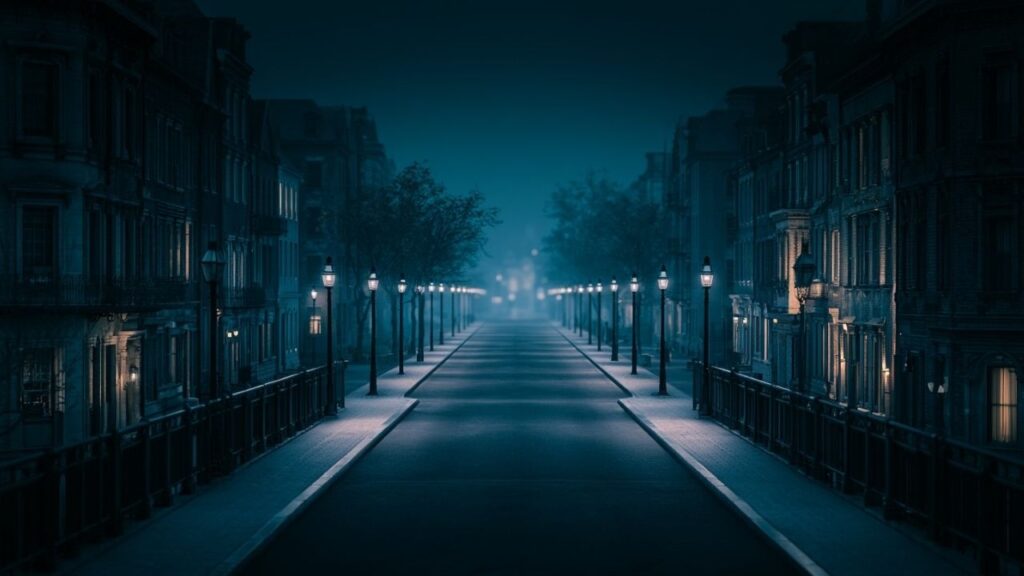
The room with one light remaining.
Why I Keep Returning
Perhaps cities at night fascinate me because they offer the right balance between reality and imagination.
There is enough familiarity to believe in them.
And enough missing information to wonder.
That is where many of my ideas begin.
Not in completely invented places.
In places that almost exist.
A street you might recognise.
A building you might have entered.
A station where you may once have waited.
Then night arrives.
The crowd leaves.
A light remains on somewhere above you.
And for a moment, the city stops explaining itself.
Perhaps I keep returning to cities at night because they never tell you everything.
They leave enough lights on for you to imagine what happened in the rooms you cannot enter.
FAQ
Why do cities feel different at night?
Reduced activity, darkness, artificial lighting and fewer visual cues can make familiar urban spaces feel less predictable. For Wartonno, that uncertainty creates room for storytelling, photography, music and worldbuilding.
What is a liminal city?
A liminal city is not necessarily a specific type of city. It describes the feeling of urban places caught between states: crowded and empty, familiar and unfamiliar, departure and arrival, day and night.
How does photography influence Wartonno’s worldbuilding?
Photography encourages close observation of light, architecture, empty spaces and small details. Those observations often become starting points for fictional locations, scenes and musical environments.
How are Meridian City and Wartonno’s music connected?
They are separate creative projects but share recurring themes such as cities at night, memory, unusual architecture, technology, hidden spaces and the tension between familiar reality and something slightly impossible.
What is Neon Ghost Frequencies?
Neon Ghost Frequencies is Wartonno’s cinematic cyberpunk music project exploring themes such as artificial memory, abandoned networks, digital ghosts and systems that continue operating after their original purpose has disappeared.