
Digital Burnout and Tech Overwhelm Are Becoming the New Normal
You open your laptop to work.
Before you begin, you check a notification.
Then another.
Then an AI-generated suggestion.
Then an article about how fast everything is changing.
Hours later, you feel tired, but not physically.
Mentally scattered.
Slightly anxious.
Behind.
If this feels familiar, you’re not lazy.
You’re experiencing digital burnout and tech overwhelm, a growing psychological condition caused by constant algorithmic exposure and accelerated information cycles.
Search trends for “overwhelmed by technology” and “algorithm fatigue” continue to rise.
The question is not whether tech is useful.
It’s whether your nervous system can keep up.
What Is Digital Burnout and Tech Overwhelm?
Digital burnout is not just screen time exhaustion.
It’s the mental strain created by:
- Continuous notifications
- Infinite content streams
- AI-generated acceleration
- Comparison loops
- Productivity pressure
- The feeling of never being “caught up”
Algorithms optimize for engagement.
Humans are not built for endless engagement.
When exposure becomes constant, your nervous system shifts into low-grade stress mode.
And low-grade stress, sustained long enough, becomes burnout.
The Nervous System Under Algorithmic Pressure
Your body reacts to uncertainty.
And digital ecosystems are built on uncertainty.
Every scroll introduces novelty.
Novelty increases dopamine.
Dopamine keeps you searching.
But constant novelty prevents closure.
Your brain never finishes a loop.
This keeps the sympathetic nervous system slightly activated, the same system responsible for fight-or-flight responses.
Symptoms of tech overwhelm include:
- Restlessness
- Mental fog
- Irritability
- Reduced attention span
- Subtle existential anxiety
- Difficulty relaxing even when offline
This isn’t weakness.
It’s overstimulation.
Why AI Acceleration Intensifies Burnout
AI tools promise efficiency.
But they also increase expectations.
If machines can produce faster, humans feel pressure to match speed.
This creates what psychologists call anticipatory stress, anxiety about future performance and relevance.
You’re not just tired from screens.
You’re tired from perceived competition with systems that don’t sleep.
This is why tech overwhelm feels heavier than past digital shifts.
It touches identity.
The Counterbalance: Liminal Ambient Music
Liminal ambient music works differently from most digital inputs.
It does not demand reaction.
It does not chase dopamine spikes.
It creates atmosphere instead of urgency.
Inspired by threshold states, spaces between past and future, liminal ambient compositions emphasize:
- Slow tonal development
- Long reverberations
- Sparse harmonic shifts
- Minimal rhythmic pressure
- Wide sonic space
In contrast to compressed algorithmic feeds, this sound design expands perception.
And expansion is what overwhelmed nervous systems need.
How Liminal Sound Regulates the Nervous System
When you listen intentionally to slow ambient soundscapes:
- Breathing deepens
- Heart rate stabilizes
- Cortisol production decreases
- Cognitive load reduces
- Internal time perception slows
Unlike music built to energize, liminal ambient tracks support parasympathetic activation – the body’s rest-and-repair mode.
It becomes a psychological decompression chamber.
You are no longer reacting.
You are inhabiting.
A 7-Minute Liminal Reset Ritual
If you’re feeling tech overwhelm right now, try this:
1. Remove Visual Stimulation
Close tabs. Dim lights. No scrolling.
2. Choose a Slow Ambient Track
Preferably instrumental, spacious, minimal.
3. Sit Still
No multitasking. No journaling. Just listening.
4. Breathe 4–4–6
Inhale 4. Hold 4. Exhale 6.
5. Allow Thoughts to Pass
No solving. No optimizing.
Even seven minutes can interrupt algorithm fatigue loops.
Why the Unfound Atmosphere Matters
The curated playlists by Wartonno Sound, especially within the Unfound series, were built around liminal space as a psychological refuge.
Tracks like:
- Glimorrow
- Driftveil
- Farsleeper
- Unbloom
Are structured around sonic spaciousness rather than urgency.
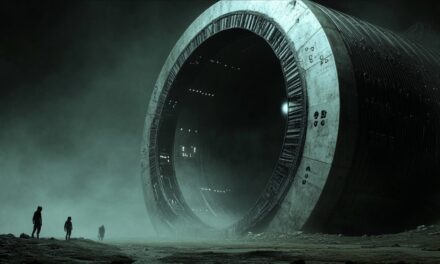
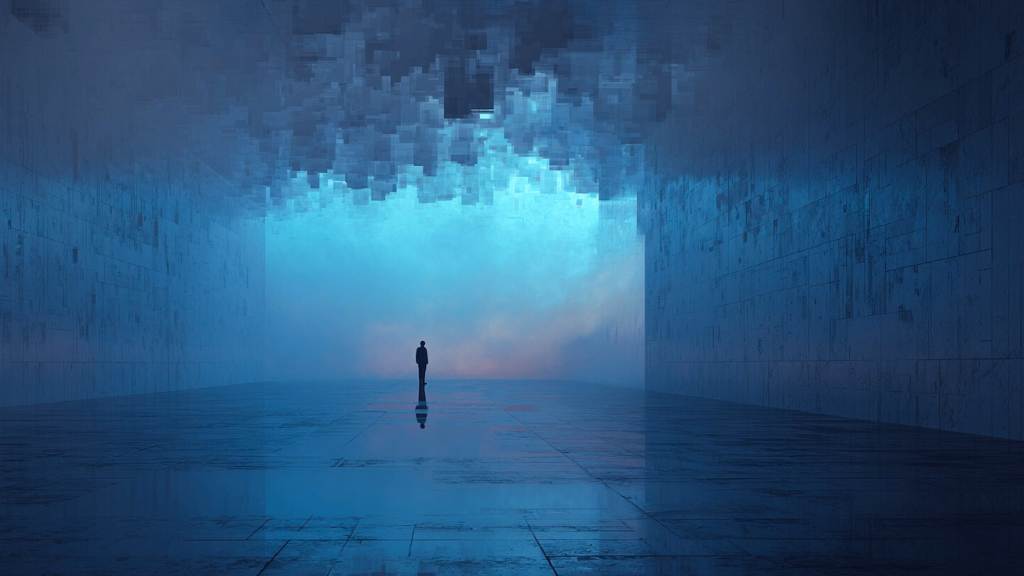
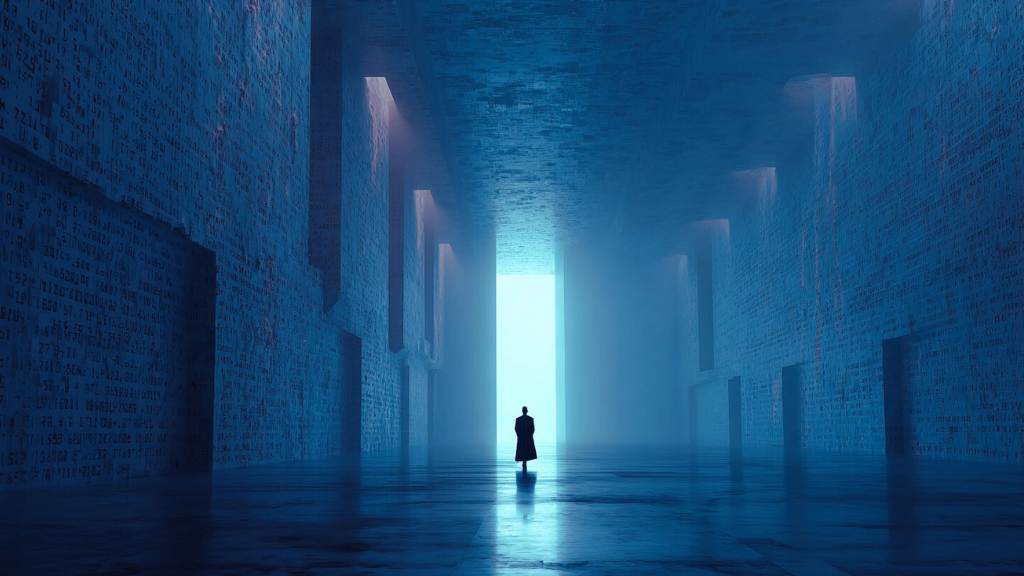
They mirror the feeling of standing in an empty corridor where nothing demands performance.
In a hyper-digital world, that absence of demand is powerful.
These playlists are not productivity hacks.
They are nervous system stabilizers.
You Are Not Meant to Match Machine Speed
One of the most dangerous myths of 2026 is that humans must compete with algorithmic velocity.
But your value is not measured in processing speed.
It is measured in perception, nuance, emotional depth, and lived experience.
Liminal ambient music does not increase output.
It protects identity.
And identity protection is essential in a world of accelerating automation.
FAQ Section
What is digital burnout?
Digital burnout is mental exhaustion caused by continuous exposure to screens, notifications, and algorithm-driven content.
Why do algorithms make me feel overwhelmed?
Algorithms are designed to maximize engagement through constant novelty, which keeps your nervous system activated and prevents cognitive closure.
Can music reduce tech overwhelm?
Yes. Slow ambient music can reduce cognitive load and activate the parasympathetic nervous system, helping regulate stress responses.
How long should I listen to ambient music to reduce burnout?
Even 5–10 minutes of intentional listening can interrupt overstimulation loops and promote nervous system recovery.
Final Reflection
You are not failing to adapt.
You are adapting too quickly without recovery.
Digital ecosystems accelerate.
But your nervous system requires rhythm.
Liminal ambient music is not escape.
It is recalibration.
CTA
If you’re experiencing digital burnout and tech overwhelm:
▢ Explore the Unfound playlist on Spotify
▢ Listen intentionally for 7 minutes today
▢ Save a track for your next decompression break
Let the algorithm slow.
Let the corridor open.
Let yourself breathe again.